Quiet Tarn Overlooks, Lasting Footsteps

Today we explore Leave No Trace practices for visiting quiet tarn overlooks, where delicate alpine waters mirror sky-wide colors and every whisper carries. These high, reflective basins reward patience and restraint. Learn simple, field-tested habits that safeguard water clarity, protect cushion plants and heather meadows, respect wildlife rhythms, and honor fellow visitors’ quiet moments. Bring home photographs and stories without leaving scars, ensuring the next hiker finds the same undisturbed stillness that moved you to pause, breathe deeper, and tread more thoughtfully.

Plan Ahead for Fragile Alpine Waters

Preparation shapes everything at high-elevation overlooks. Check regulations, seasonal closures, snow levels, and fire restrictions before you go, then align your goals with conditions and your group’s abilities. Early or midweek visits ease pressure on narrow paths and tiny shorelines. Carry the Ten Essentials, plus knowledge about riparian buffers and altitude. A little planning prevents last-minute improvisation that often pushes people onto soft meadows or into sensitive areas, preserving both the place and everyone’s experience of calm.

Step Lightly on Durable Surfaces

At quiet tarn overlooks, the difference between rock and meadow can be centuries of recovery. Granite, gravel, and consolidated snow tolerate footsteps; cushion plants, heather, lichens, and peat do not. Commit to rock-hop routes, established paths, and existing vantage points. Keep groups tight on durable lines instead of fanning across soft edges. A single mindful stride preserves miniature gardens clinging to life at the edge of wind and ice, protecting beauty no camera fully captures.

Keep Tarn Water Pristine

These alpine bowls are tiny and slow to flush, so even small contaminants linger. Protect water by staying back from shorelines when filtering, never washing dishes or hands directly in the tarn, and packing out every crumb. Choose products that minimize chemical runoff, and keep sunscreen and bug spray from sliding into reflections. The lake’s silence hides busy biological work—tadpoles, zooplankton, and microbes depend on clarity. Your restraint today preserves tomorrow’s mirrored clouds and darting surface ripples.

Distance from Shorelines and Smart Filtering

Follow the classic buffer: at least two hundred feet from water for cooking, washing, and bathroom breaks. Dip carefully from a durable rock if necessary, then carry water away for treatment. Avoid stirring silt near reeds or amphibian egg masses. A squeeze filter paired with a wide-mouth bottle helps you collect without splashing fragile edges. The habit adds a few thoughtful steps and saves ecosystems that need quiet, settled margins to nurture life in short alpine summers.

Lotions, Bug Spray, and Swimming Choices

Many lotions and sprays shed into water, especially when hot sun meets cold tarns. Choose mineral sunscreen and apply well before arriving, letting skin absorb residue away from shore. If swimming is permitted, minimize products, skip soap entirely, and enter from sturdy rock where plants won’t be scuffed. Remember, these bowls are small; what leaves your skin enters tiny food webs. Protecting invisible cycles is an act of generosity that outlasts every gleam on the afternoon ripples.
Wildlife and Soundscape Respect

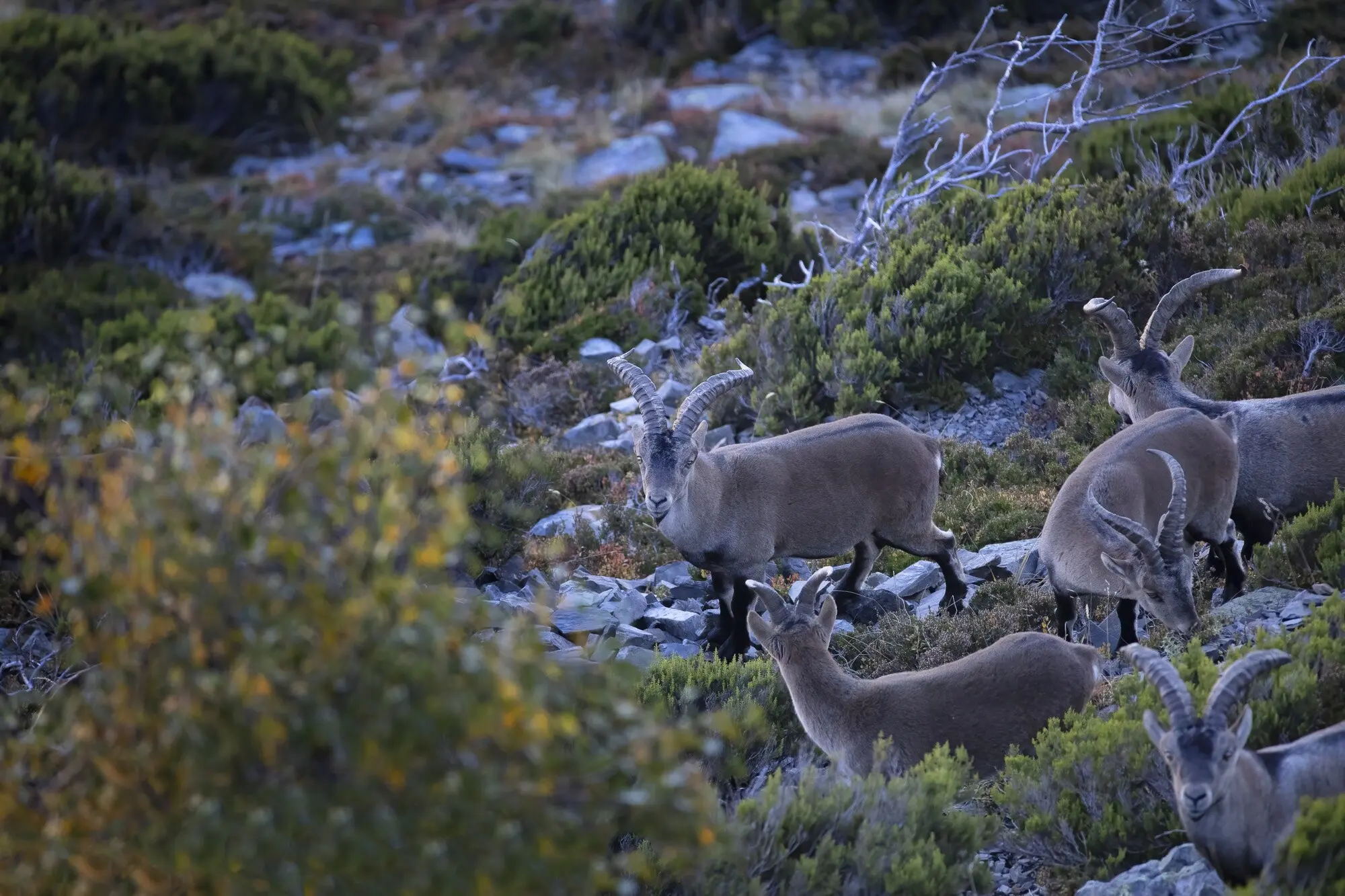
Mountain goats crave salts, marmots patrol boulders, and songbirds stitch dawn with notes. Give them distance and protect the quiet they need to feed, rest, and raise young. Keep packs closed to discourage curious noses and claws. Trade speakers for attentive silence; let wind and water be the soundtrack. The hush is habitat, too, and your calm presence turns an overlook into shared space where wild rhythms continue uninterrupted and every observer feels included in the unfolding story.

Give Space to Goats, Marmots, and Birds

Watch for signs of stress: fixed stares, pawing, or alarm calls. Step back until animals ignore you, and never feed them, even “just once.” Goats may approach urine for salt; relieve yourself far from trails and overlooks. Protect nests by staying on rock and avoiding low shrubs at the shoreline. Patience earns astonishing moments—like a marmot sunning on a distant slab—without training wildlife to beg or altering behaviors that make these high places feel truly alive.

Silence as a Gift to Everyone

Voices carry over water like bells. Keep conversations low, switch phones to airplane mode, and leave music to the car ride. Dawn at a tarn often feels sacred because sound is scarce; help preserve that ambiance for latecomers, too. When you encounter meditation, sketching, or quiet photography, pass softly and linger a little farther away. Treat silence as a shared resource, and you will notice more—the wingbeat of a jay, the tick of cooling rocks, your own calmer heartbeat.

Food, Salt, and Scent Management

Seal snacks, minimize crumbs, and eat over a pack or hard surface you can sweep clean. Scattered salt attracts goats and ground squirrels, altering their movements and causing conflict. Store sunscreen, lip balm, and wrappers in zip pockets that close fully. If an animal approaches, step back rather than guarding food aggressively. By removing incentives and scents, you keep wild creatures wild, avoid mugging marmots, and reduce the chance that others will encounter persistent, problem-seeking behavior later.

Leave What You Find, Share Stories Instead

No Cairns, No Rearrangements

Artful stacks confuse route-finding and invite crowds off trail. If official cairns exist, they are purposeful; adding new ones dilutes that guidance. Compose images that celebrate existing forms—rippled reflections, weathered grain in the rock, and cloud shadows drifting. Creativity thrives within gentle boundaries. The memory you carry will feel richer because it belongs to what was actually there, untouched, rather than a personal monument that ages poorly and tempts others to build, topple, and trample in turn.

Plants and Soils Need Protection

Alpine meadows recover painfully slowly from a single footprint. Cushion plants, dwarf heathers, and mosses knit thin soils that hold entire slopes together. Keep boots, tripods, and packs off greenery, even for quick portraits. Teach kids the joy of close observation from a rock seat, counting colors and shapes without picking. The best field guide is curiosity that listens. By honoring living carpets underfoot, you help the hillside resist wind, thaw, and time while remaining vibrantly alive.

Cultural Traces Deserve Care

Old survey markers, mining relics, and Indigenous cultural sites may hide in plain sight near high basins. Photograph, appreciate, and leave them exactly where they rest. Resist pocketing artifacts or cleaning patina for a clearer shot. These traces hold stories not ours to edit. If signage requests extra distance, step back gladly. Sharing respectful photos and context encourages others to protect human history alongside natural splendor, keeping the overlook a place of layered meaning, dignity, and learning.

Kindness at the Overlook
Consideration turns a narrow perch into a welcoming space. Step aside after your photos, offer to take a picture for a solo traveler, and keep packs compact so others can pass. Move quietly so moments of awe remain unbroken. If someone seems new to the altitude or etiquette, share tips with warmth. The most memorable overlooks are cooperative improvisations where patience, gratitude, and shared wonder guide the choreography more gracefully than any signpost ever could.