Summits of Story Above Quiet Waters
Today we set out along literary and historical trails leading to overlook points above Lake District tarns, following footprints of poets, wayfarers, and fell-lovers to the balconies where sky and water trade reflections. Expect gentle lore, practical pointers, and invitations to share your own discoveries from wind-scoured ridges that keep watch over glassy bowls of blue.
Footsteps of Poets and Packhorses
Where verses once took shape under ragged clouds, ancient trade routes climbed patiently toward airy knolls. These intertwined paths invite you to look down upon secluded tarns while recalling voices that carried across centuries, blending human memory with lark-song, grazing bells, and the hush that follows when the wind decides to listen.
Climb from Grasmere past tumbling becks to the bowl cradling Easedale Tarn, then continue higher toward Tarn Crag for a sweeping prospect. Imagine notebook pages damp with mist, lines forming between heartbeats, while the water steadies the mind and the crags gather your attention into a single bright thread.
From Grasmere or Patterdale, crest the pass and look down upon Grisedale Tarn, a dark mirror where storms rehearse their dramas. Picture a solitary walker weighing choices on the ridge, learning that every descent contains its own ascent, and that a still tarn can hold more sky than any turning page.
Above the curves of Tarn Hows, where larch and birch lean toward the light, find gentle knolls perfect for unhurried gazing. Consider careful stewardship, sketches tucked beneath a shawl, and paths that invite families to linger, listening for curlew notes while wind ripples a surface stitched together by generosity and time.
Wainwright’s Notebooks and Sky-Mirrors
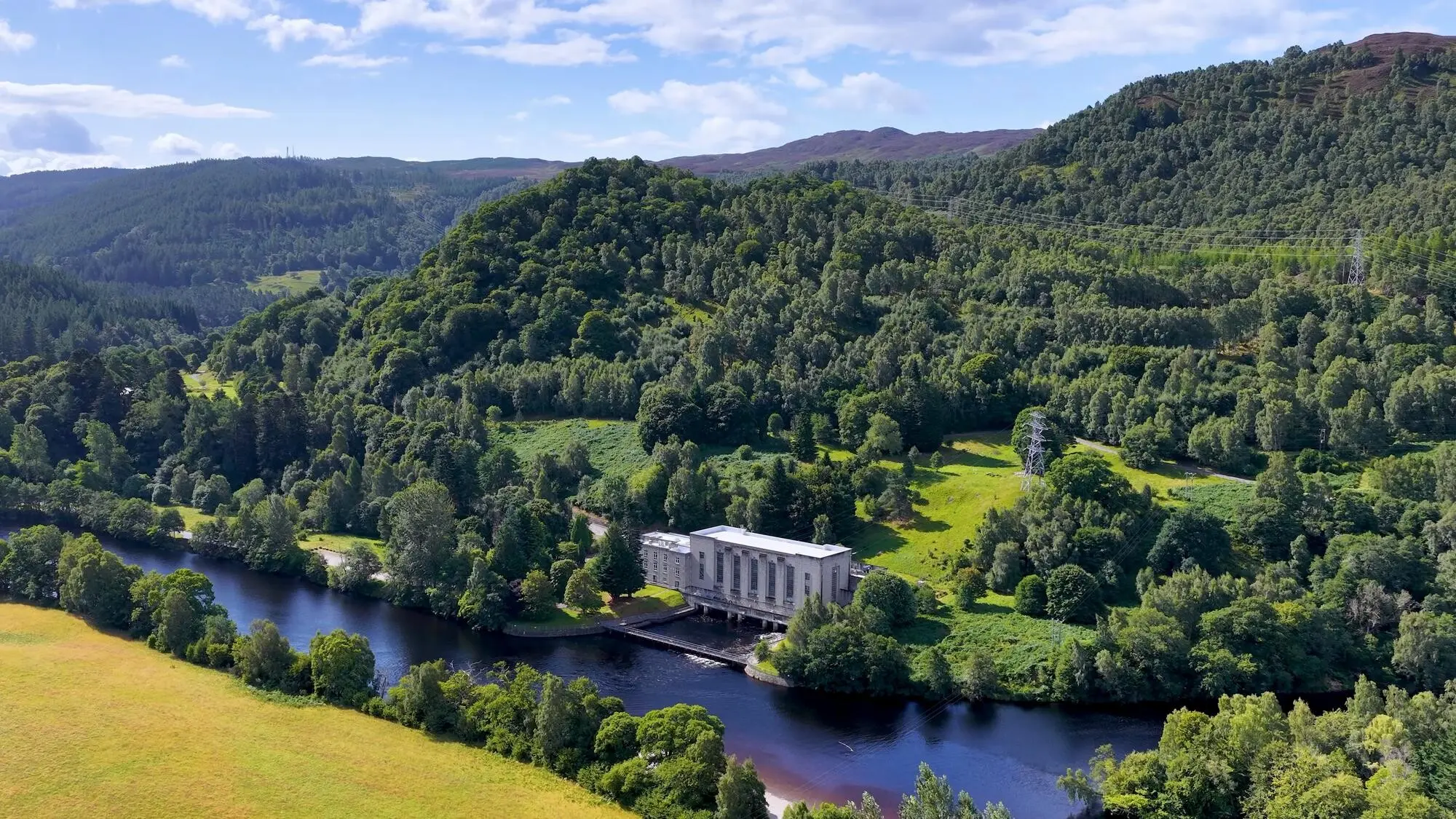
Here the uplands open like a hand, each knuckle a vantage and every vein a beck returning to tarns that remember every weather. The quiet craft of penciled lines meets the lived craft of footwork, as you choose firm rock, steady breath, and a pause long enough to name distant fells.

Routes Older Than Memory
Before guidebooks, feet and hooves wrote the first directions onto these hills. Roman surveyors drew long, unwavering lines, while medieval traders nursed loads through weather that colored every decision. Above the tarns their traces survive, offering faithful corridors to overlooks where the past still keeps quiet company.
Weather, Seasons, and Care
The kinder the outlook, the more carefully it is earned. Upland weather edits plans without apology, and tarn margins bruise easily beneath careless boots. Learn to read cloud texture, pack for reversals, and keep your joy light upon the land, leaving only good stories in your wake.
Reading the Sky and the Map
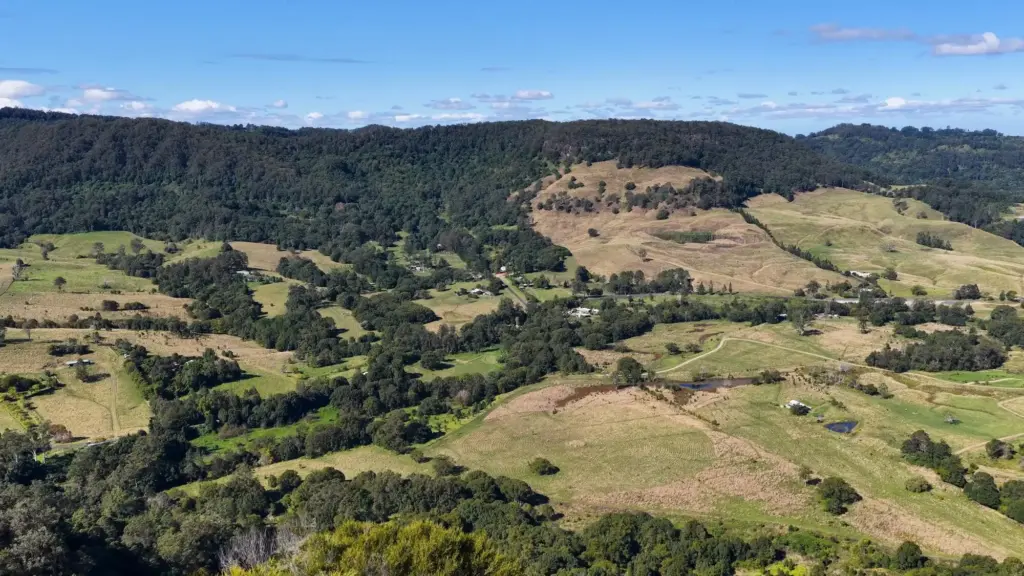
Bring a paper map and a compass you’ve practiced with, then treat GPS as a helpful guest, not a guide. Watch cloud ceilings, wind shifts, and the quick language of rain. If horizons fade, adjust. Overlooks wait patiently; visibility, warmth, and safe footing matter more than bravado or haste.
Tread Lightly Near Fragile Shores
Sphagnum, cotton grass, and peat repair themselves slowly, especially where overflow meets boot tread. Pause before shortcuts, step on durable rock, and keep fires away from sensitive rims. Dogs on leads protect nesting birds and calm sheep. Your restraint becomes part of the view, invisible yet powerfully protective.
Story-Rich Day Plans
Some days call for a swift climb and lingering view; others invite long circuits that stitch tarns, ridges, and voices into one generous loop. These suggestions favor overlook points, weaving culture with contour lines so memory and map can fold together neatly in your pocket.
Keep the Echo Alive: Share, Record, Return
Overlooks reshape attention, and attention reshapes belonging. Capture details, not trophies: the wind’s temperature, a skylark’s height, the exact tint where shadow meets shoreline. Share generously, learn constantly, and let conversation extend the ridge so newcomers meet welcome alongside weather-wise guidance and enduring, place-loving care.
All Rights Reserved.