Chasing First Light and Last Glow Above Quiet Lakeland Tarns
Plan The Light, Not Just The Walk
Three Quiet Waters Worth Your Dawn or Dusk
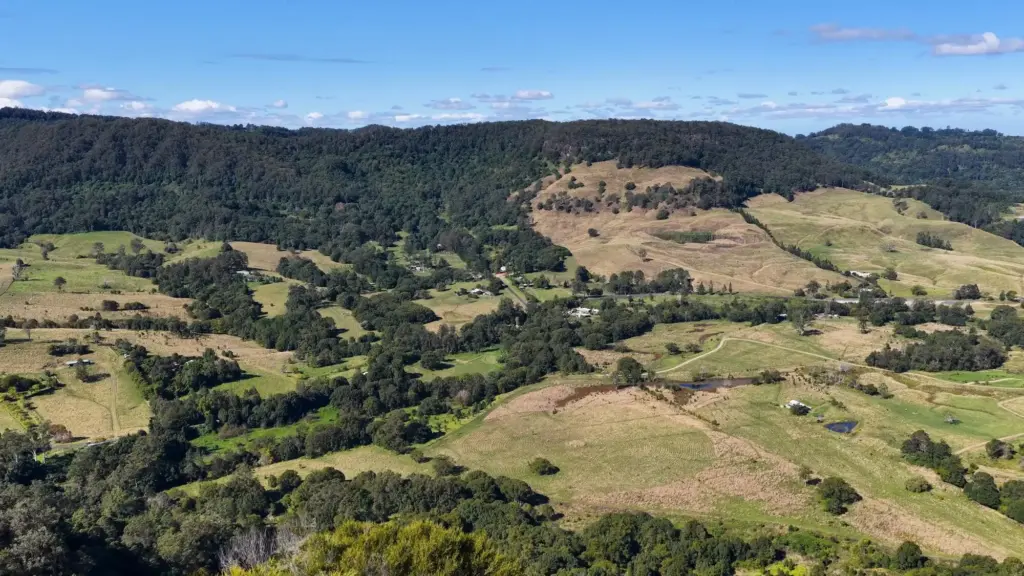
Kelly Hall Tarn: Bronze Reeds, Big Skies
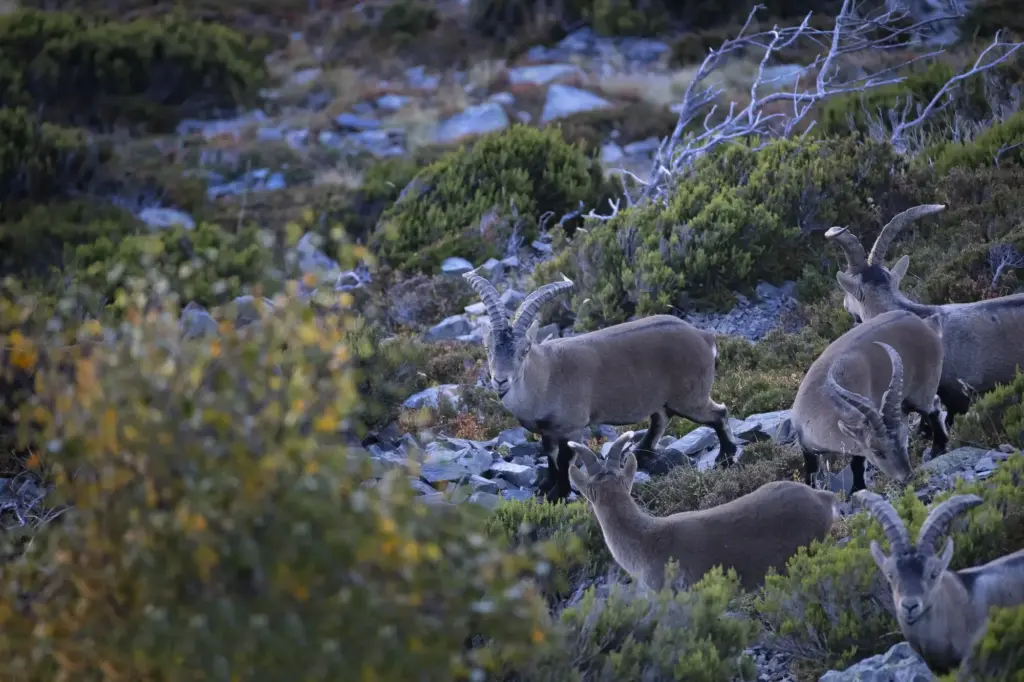
Dock Tarn: Mossy Shores and Whispering Pines
Compositions That Sing Between Stone, Reed, and Sky
Foreground Texture With Purpose
Search for frost-fringed grasses, lichen-laced stones, or rippled peat that binds the viewer’s first step to your own. Kneel, tilt forward, and test focus stacks sparingly. If wind threatens sharpness in reeds, time exposures between breaths, embracing gentle movement as a counterpoint to still mirrored mountains.
Balanced Symmetry Without Stiffness
Reflections tempt perfect halves, yet tension lives in near-symmetry. Place horizons slightly high to dignify foregrounds, or slightly low when skies burn. Offset key trees or islets, and watch that bright triangles of water do not escape. Let diagonals suggest slow turning rather than rigid mirroring.
Color, Contrast, and Quiet Emotion
Pre-dawn blues yield to bruised violets, then apricots and rose. Sunset reverses the song. Dial contrast softly, protect shadow detail along peat edges, and feather highlights in mist. Choose colour harmonies that echo the morning’s temperature, letting viewers feel chilled fingers warming around a flask after the shutter closes.
Weather, Wind, and Water: Reading Moods For Mirror Magic
Practical Kit and Settings For Edges, Glow, and Silence
01
Exposure Discipline at The Waterline
Compose, lock focus, then meter for the brightest workable highlight, protecting sky gradients. Use a two-second timer or cable release, and check histograms rather than rear-screen brightness. If reeds sway, try shorter bursts at higher ISO, then a calm longer frame for water, blending carefully in post.
02
Lenses, Filters, and Subtle Choices
Wide lenses earn space for sky, but moderate wides avoid stretching mountains into anonymity. A gentle polarizer quarter-turn tames sheen while preserving reflections. Graduated NDs should feather invisibly; otherwise, bracket. Carry a light telephoto for compressing distant fell silhouettes against glowing water when the wider scene refuses to sing.
03
Field Workflow That Keeps You Present
Build a repeatable rhythm: scout, settle, breathe, shoot, review once, then look up. Notes on wind direction, azimuth, and tripod height help later. Warm your hands, sip something, and listen for curlews. Presence guides better framing than menus; technical competence should disappear so attention returns to light.
Care, Courtesy, and Community: Making Each Visit Matter
Leave No Trace Beside Small Waters
Pack out every scrap, including tea-bag strings and fiber fluff brushed from jackets. Choose small, hard-standing spots for tripods, rotating feet rather than shuffling. If you disturb a wader, retreat and rest the shoreline. The photograph matters less than the living, breathing edge it celebrates.
Telling Stories Without Giving Everything Away
Pack out every scrap, including tea-bag strings and fiber fluff brushed from jackets. Choose small, hard-standing spots for tripods, rotating feet rather than shuffling. If you disturb a wader, retreat and rest the shoreline. The photograph matters less than the living, breathing edge it celebrates.
Invite Conversation, Mentorship, and Return Visits
Pack out every scrap, including tea-bag strings and fiber fluff brushed from jackets. Choose small, hard-standing spots for tripods, rotating feet rather than shuffling. If you disturb a wader, retreat and rest the shoreline. The photograph matters less than the living, breathing edge it celebrates.
All Rights Reserved.